What Are the Reasons Behind the Need to Organize Events?
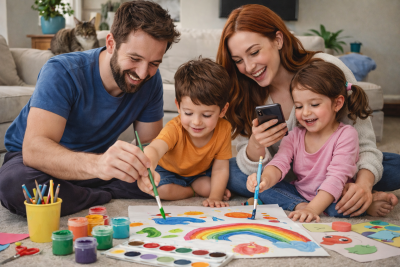
The need for parents to engage in activities with their children is based on deeper psychological, emotional, and developmental reasons than just "spending time." This need is closely related to both the nature of parenting and the conditions brought about by modern life.
1. The Need for Connection
For parents, the bond they create with their children is fundamental to the parenting role. Activities done together (play, crafts, walks, conversations, etc.) strengthen this bond. In the hustle and bustle of daily life, this bond can weaken over time; shared activities nourish this bond again.
2. Understanding and Observing the Child
During activities, parents observe the child’s:
- Areas of interest
- Reactions
- Strengths and areas for development
in a more natural environment. This allows for a better understanding of the child and makes the parenting approach more conscious.
3. Establishing Healthy Communication
Children do not always feel comfortable expressing themselves directly in a "talking" environment. However, during a shared activity, communication is more fluid and natural. This helps parents establish a more open and secure communication with their child.
4. Emotional Balance and Peace
Parenting is a stressful process. Work, responsibilities, and the intensity of daily life can mentally exhaust parents. Quality time spent with the child:
- Reduces stress
- Provides emotional relaxation
- Increases the atmosphere of peace within the family
5. Parenting Satisfaction and Belonging
As parents spend quality time with their children, they feel a stronger sense of being a "good parent." This increases inner satisfaction and makes the parenting role more meaningful.
6. Contributing to the Child's Development
Parents naturally want to support their children's development. Activities done together:
- Provide opportunities for teaching
- Allow for modeling
- Facilitate value transmission
7. Investing in the Future
The time spent together determines the relationship the child will have with the parent in later years. The interactions established at a young age lay the foundation for a strong bond during adolescence and adulthood.
The need for parents to engage in activities with their children arises from the desire for love, connection, understanding, support, and building a meaningful life together. This is not only a spiritually nourishing and balancing process for the child but also for the parent.
In short, every activity done together shapes not only that moment but also the future of family relationships.